Painting · 5 min read
Interior painting in Southwest Florida humidity: what actually lasts
Shorewise Home Services · September 30, 2026

In Southwest Florida’s humidity, interior paint lasts when three things are right: the wall is clean, dry and sound before any paint goes on; each room gets a finish suited to how much moisture it sees; and every coat is given enough time to dry and cure. Most paint problems in local homes come from skipping one of those, not from the paint itself.
Humidity doesn’t stop at the front door. Kitchens, bathrooms, laundry rooms and closed-up closets see more moisture than the rest of the house, and a home that’s closed for the summer can hold more than you’d expect. Here’s what holds up.
Why does humidity matter for interior paint?
Water-based paints dry as the water in them evaporates. In humid air, that happens more slowly. A coat that would be ready for a second coat in an hour or two on a dry day may still be soft underneath on a muggy one.
That causes a few common problems:
- Recoating too soon, which can leave the finish soft, streaky or easy to mark.
- Tacky or sticky paint, especially on doors, trim and shelves. Painters call it “blocking” when two painted surfaces stick together.
- Surfactant leaching, a sticky, brownish or shiny residue that can appear on fresh paint in bathrooms and other damp rooms. It usually washes off with warm water, but it’s a sign the paint needed more drying time.
- Mildew, which grows in damp, still air and will come straight back through paint if it isn’t cleaned off first.
Start with the surface
Good paint over a poor surface won’t last. Before painting:
- Clean the walls. Kitchen walls carry grease. Bathroom walls carry soap film and body oils. Hallways carry handprints. Wash, rinse, and let dry.
- Deal with mildew properly. Clean it off with a mildew cleaner, let the wall dry fully, and prime if staining remains. Painting over it only hides it for a while.
- Repair the damage. Fill nail holes, dents and cracks, and sand smooth. Nail pops and cracks are common in homes that go through big swings in temperature and humidity. See drywall: patch or replace?
- Spot-prime repairs and stains. Patches and stains soak up paint differently from the rest of the wall.
- Re-caulk gaps between trim and walls before painting, using a paintable caulk.
Choose the right finish for each room
Sheen is how shiny paint is, from flat through eggshell, satin and semi-gloss to gloss. Glossier paints shed moisture and wipe clean more easily. Flatter paints hide wall imperfections better.
A sensible starting point:
- Ceilings: flat. It hides flaws and reduces glare.
- Living areas and bedrooms: eggshell or a low satin. Washable, but still soft-looking.
- Hallways and kids’ rooms: satin, because they take the most knocks.
- Kitchens, bathrooms and laundry rooms: satin or semi-gloss, in a paint made for damp rooms or labeled mildew-resistant.
- Doors and trim: semi-gloss, in a trim enamel that dries hard.
A premium paint in the wrong sheen will still struggle in a steamy bathroom. A mid-range paint in the right sheen usually does fine.
Give it time to dry and cure
Drying and curing aren’t the same thing. Dry means you can touch it. Cured means it has fully hardened, which can take days to weeks depending on the product and conditions.
- Read the can for recoat times, then allow extra on humid days.
- Keep air moving. A portable fan and open interior doors help paint dry more evenly.
- Keep the room’s temperature steady while paint dries, not swinging between hot and cool.
- Leave doors open and cabinet doors apart for a day or two after painting, so fresh paint doesn’t stick.
- Wait before hanging pictures or pushing furniture back against walls.
- Go easy on bathroom walls for the first couple of weeks. Avoid scrubbing, and ventilate well after showers.
Color in Florida light
Southwest Florida light is bright and changes a lot through the day. Colors often look lighter and cooler on the wall than on the chip. Paint a large sample, at least a couple of feet square, on two different walls, and look at it in the morning, at midday and in the evening before you decide.
How long should interior paint last?
Well-applied interior paint in living areas and bedrooms can look good for years. Kitchens, bathrooms and hallways usually need attention sooner, because they’re cleaned more, knocked more and see more moisture. Touching up scuffs every so often keeps a paint job looking fresh for longer, as long as you keep a labeled can of the exact color and sheen.
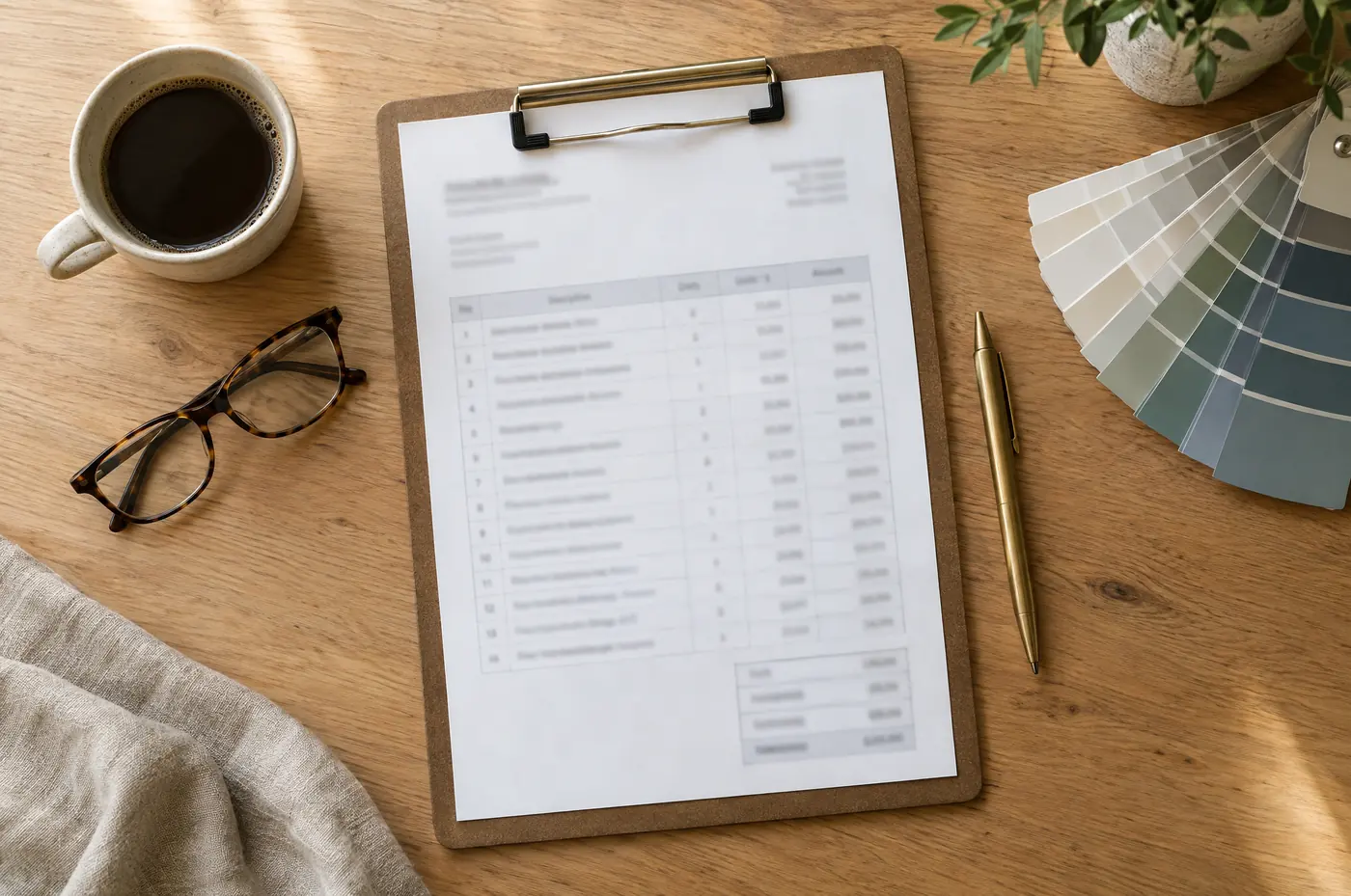
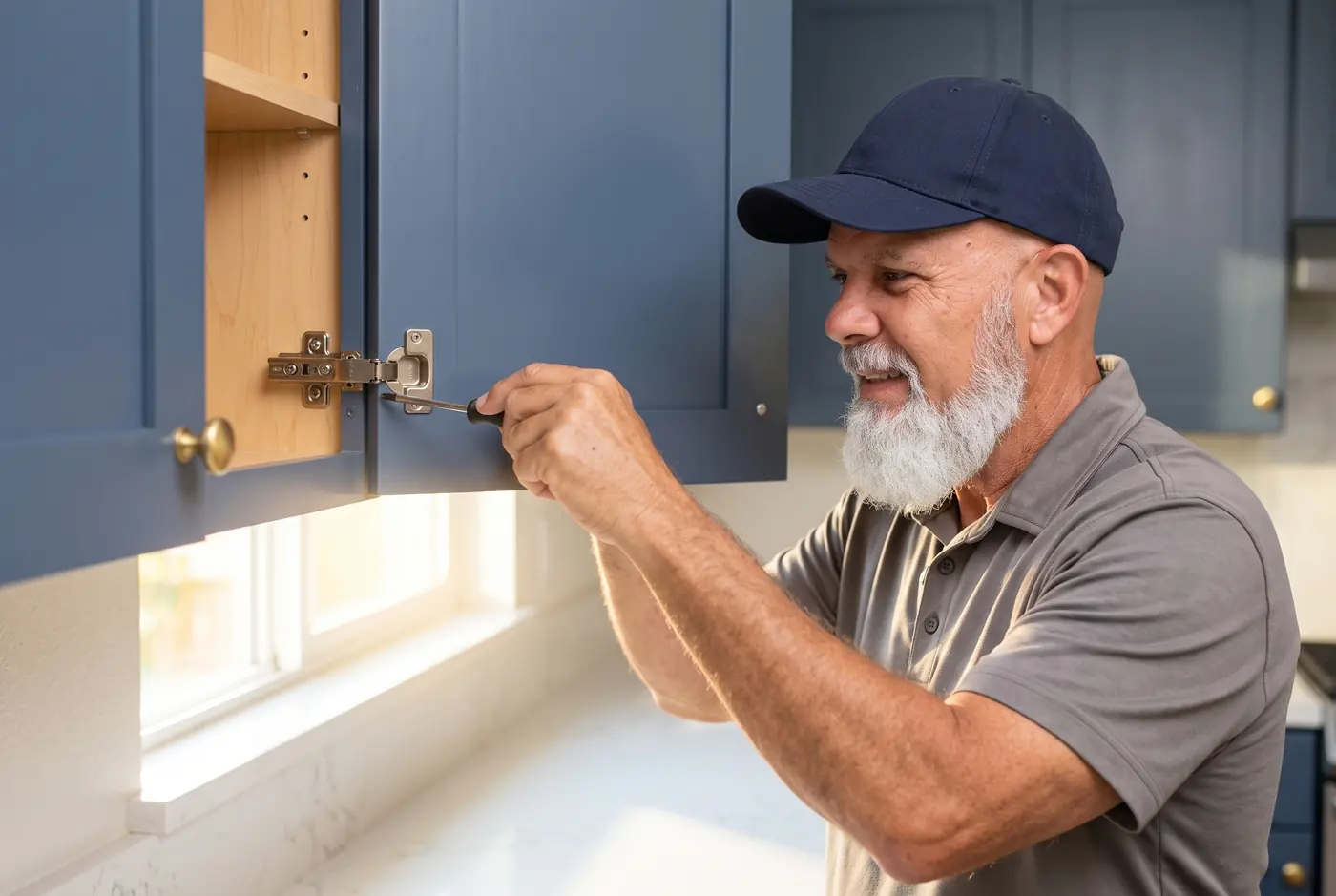
If you’d rather have it done, Jimmy will give you a written price before any work starts, and will leave the room clean when he’s finished. Get in touch.





Quick answers
In short.
What paint finish is best for a Florida bathroom?
Satin or semi-gloss, in a paint labeled for kitchens and bathrooms or mildew-resistant. Glossier finishes shed moisture and wipe clean more easily than flat paint.
How long should I wait between coats when it's humid?
Longer than the label says. Labels quote drying times at moderate temperature and humidity. On a muggy day, give it extra time and check that the first coat feels fully dry, not tacky, before recoating.
Can I paint over mildew?
No. Mildew keeps growing under new paint and comes back through it. Clean it off completely, let the surface dry, prime if needed, then paint.